From Complex Spreadsheets to Smart Dashboards: Delivering the Digital Health M&E Accelerator Training
12/12/2025
In today’s world, digital transformation is not a distant goal—it is a reality we must embrace. For frontline teams running public health projects, digital literacy is no longer a “nice-to-have” skill; it is an indispensable capability that enables them to cope with the evolving demands of digital data management, activity tracking, and real-time reporting.
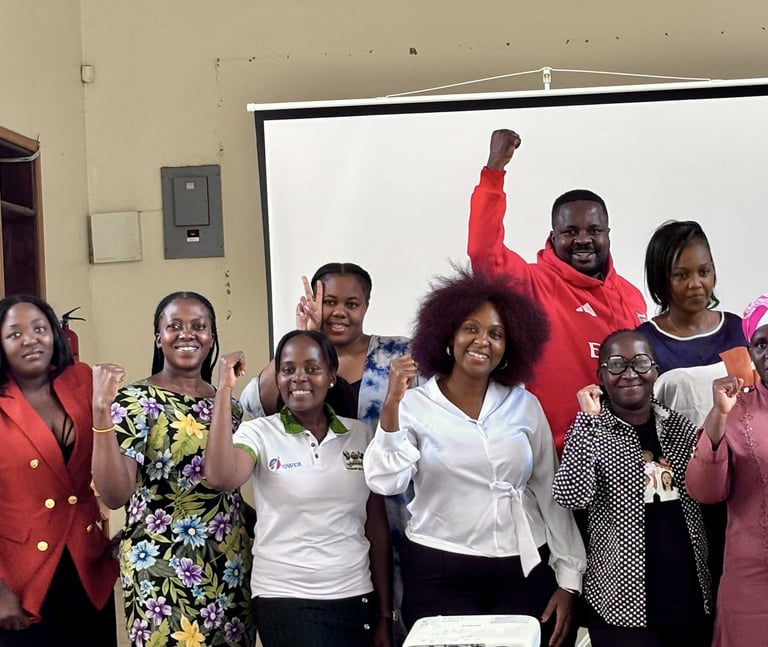
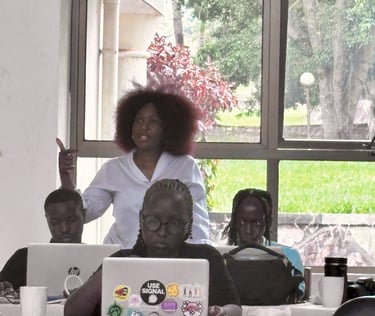
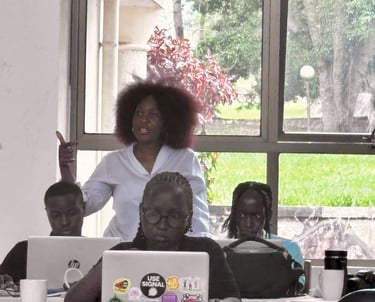
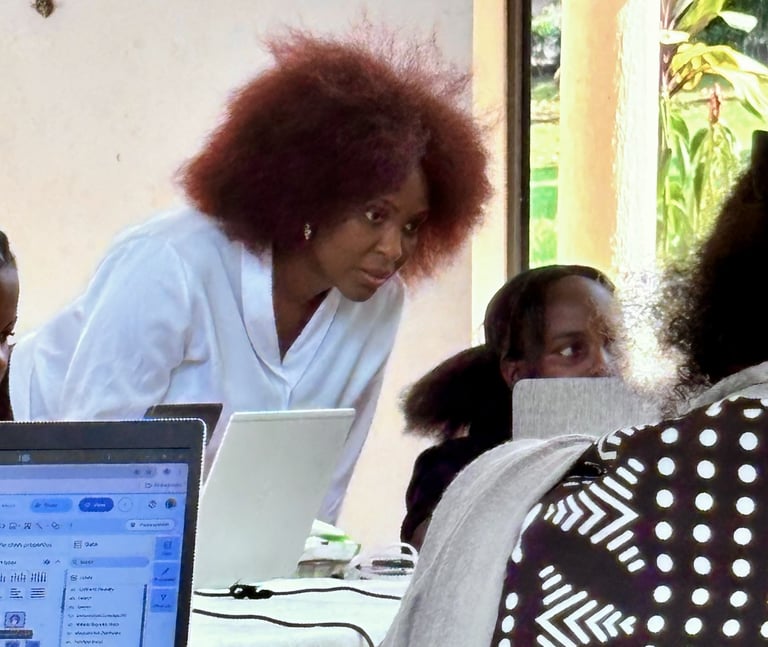
Recognizing this need, Qstats Health Consulting, in partnership with Action 4 Health Uganda, designed and delivered the Digital Health M&E Acceleration Training. This program focused on equipping frontline Monitoring & Evaluation (M&E) teams with the knowledge and confidence to use less complex yet modern digital tools like Airtable, Looker Studio and Canva—tools that make managing projects more seamless, collaborative, and impactful.
Facilitators from Qstats had the privilege of guiding participants through practical modules on survey design, database management, dashboards, and reporting. What stood out most was the energy and inspiration of the women in the POWER Project, working in health and entrepreneurship spaces who joined the training. Their commitment to learning and adapting digital tools reflects the resilience and innovation driving community health forward.
This training marked the beginning of an interesting journey: moving from scattered spreadsheets to smart dashboards, from manual reporting to real-time insights, and from digital hesitation to digital confidence.
At Qstats, we believe that empowering frontline teams with digital literacy is the key to sustainable health impact. Together with partners like Action 4 Health, we are committed to scaling this training and ensuring that digital transformation in public health is both inclusive and practical.


Here's what we have been up to!
Harnessing AI for Patient Voices: Reflections from the AI in Health Africa Conference 2025
12/11/2025
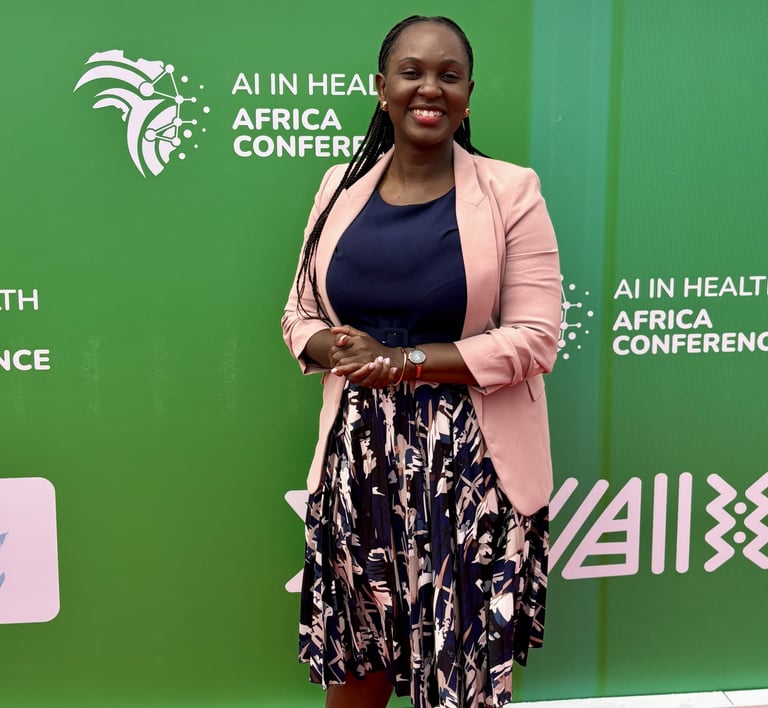
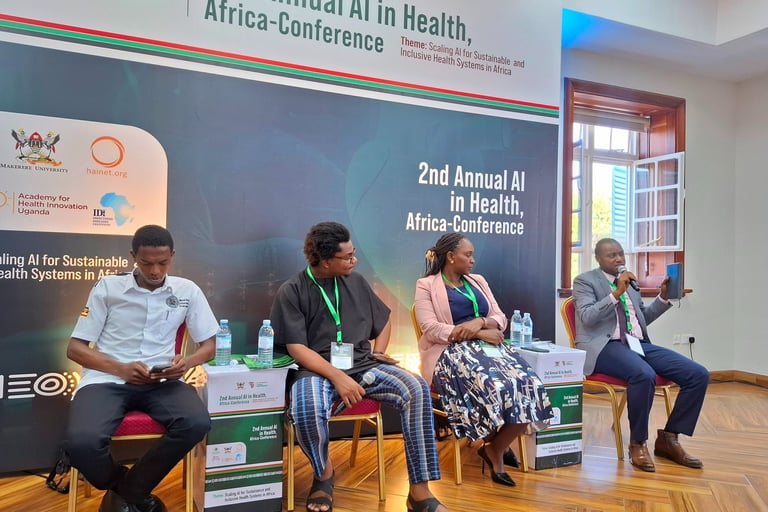
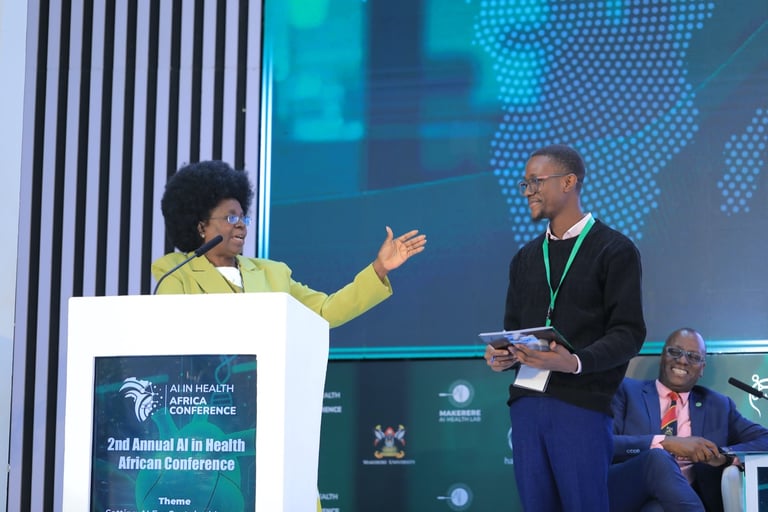
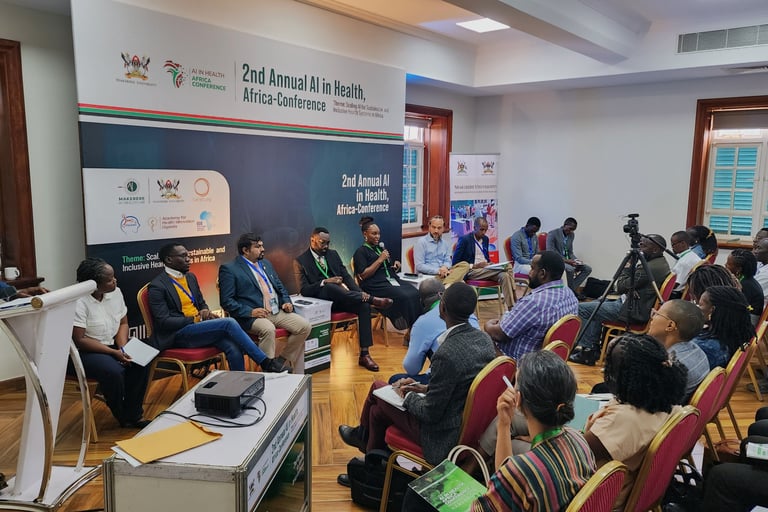
Last week, Irene Jean Kagogwe had the privilege of presenting at the AI in Health Africa Conference at Makerere University, hosted by the Makerere AI Health Lab and the Infectious Diseases Institute. The event was headlined by Hon. Dr. Monica Musenero, Uganda’s Minister for Science, Technology and Innovation, and brought together innovators, researchers, and policymakers to explore how artificial intelligence can transform healthcare across Africa.
As the founder of Qstats Health Consulting, she introduced our latest innovation: CareVoice, an AI-driven patient-feedback management system designed to support hospitals in real-time decision making. CareVoice uses artificial intelligence to derive feedback summaries from patient experiences, enabling hospital administrators to respond swiftly and effectively. The goal is simple yet powerful—improving patient experience and care by ensuring that every voice is heard and acted upon.
The audience found CareVoice to be an intriguing innovation, particularly because it bridges the gap between patient feedback and administrative action. In a region where healthcare systems are often stretched, tools like CareVoice can empower hospitals to be more responsive, empathetic, and data-driven.
Beyond showcasing technology, she also emphasized the ethical use of AI in public health research. Her message was clear: AI should be acknowledged transparently in research processes, and it must be treated as a tool for production—not an end in itself. This distinction is critical to maintaining trust, integrity, and accountability in how we deploy AI for public good.
The conversations at the conference reaffirmed our belief that Africa is ready to lead in responsible AI innovation. By combining cutting-edge technology with ethical frameworks, we can create solutions that not only advance healthcare but also uphold the values of inclusivity, transparency, and human dignity.
As Qstats Health Consulting continues to scale CareVoice, our commitment remains steadfast: to build digital health solutions that are trustworthy, inclusive, and impactful for public health organizations across East Africa.